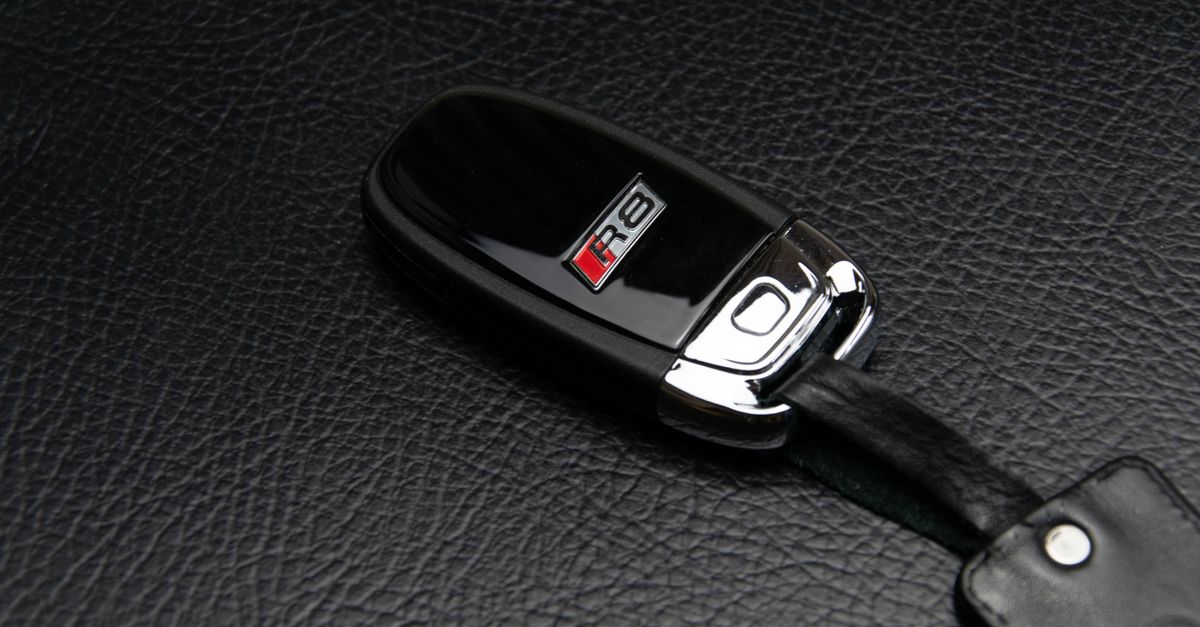
Audi Car Key Replacement: What Makes It Different From a Standard Key Job
Audi has used advanced key security since the late 1990s, and almost every model on the road today — from the A3 and A4 to the Q5, Q7, and e-tron — requires more than just a cut key to function. The transponder chip embedded in the key head must be paired to your vehicle's immobilizer system, or the engine simply won't start even if the blade turns the ignition perfectly. Smart keys and key fobs add another layer: rolling security codes, proximity sensors, and push-button start functions all depend on precise programming to your specific car's VIN. Our experienced technicians carry professional-grade Audi-compatible programming equipment to handle this on-site, which means you get a fully working replacement key without towing your vehicle anywhere.
Audi key types vary significantly across model years and trim levels. Earlier A-series models used a basic transponder key — a cut blade with a chip inside the head. Mid-generation models introduced remote flip keys that combine the cut blade with lock/unlock buttons and a transponder. Current-generation Audi vehicles often use a proximity smart key (sometimes called a comfort key or Advanced Key) that allows hands-free entry and push-button ignition. Each type requires a different approach: different cutting specifications, different programming protocols, and in many cases, different hardware. When you call us, we ask for your year, model, and trim level so our technician arrives already prepared for the exact key type your Audi uses.