Why Knob and Lever Locks Fail — and When Replacement Beats Repair
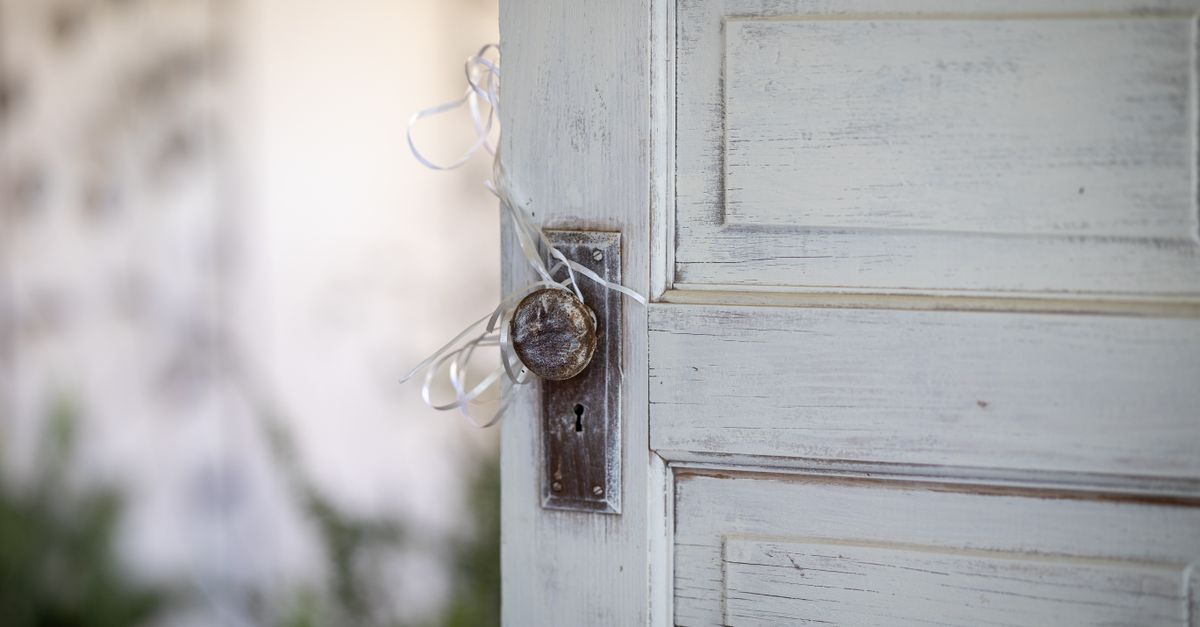
Cylindrical knob locks and lever-handle sets share a common vulnerability: their locking cylinder and latch mechanism are housed in a relatively small cartridge that absorbs constant torque, temperature swings, and — on exterior doors along busy routes like US-35 through Jeffersonville — road dust and moisture infiltration. The most common failure points are a worn latch bolt that no longer retracts cleanly, a cylinder that has been drilled or picked at some point and no longer provides true security, a loose rose plate that lets the knob wobble, and a broken spring cage that causes the knob to spin without retracting the latch. Repair is sometimes practical for isolated issues like a sticky latch, but when the cylinder shows wear or the knob itself has structural damage, replacement is the better investment because a compromised knob communicates an easy target to anyone paying attention.
Lever locks present a slightly different failure mode: the lever's return spring is under constant stress, especially on high-traffic commercial doors near downtown Jeffersonville. A lever that drops and stays down, or one that bounces loosely, almost always means the internal spring cartridge is broken. In older buildings — many of Jeffersonville's commercial blocks include structures from the early 1900s — you also encounter mortise lock hardware, where the full lock body is recessed into the door edge rather than surface-mounted through a bore hole. A mortise lock failure requires a locksmith with genuine mortise experience, not just a residential knob swap. Our team handles both cylindrical and mortise lock replacements routinely.