Fayette County Locksmith Service Team
Local locksmith team
Jun 26, 2026 10 min read
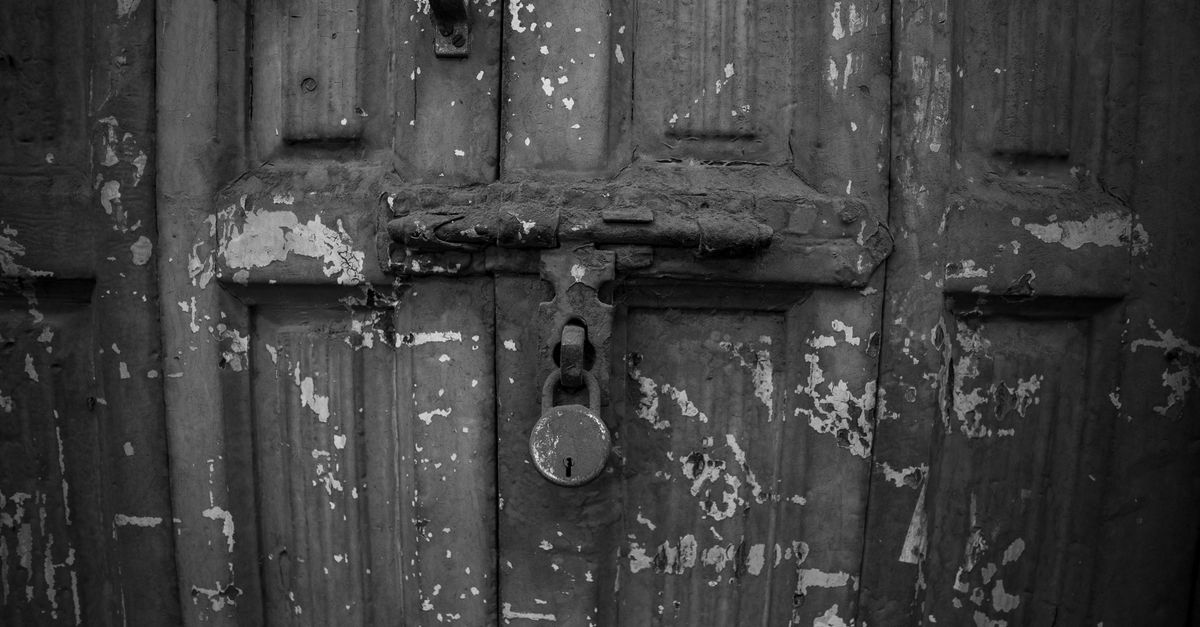
If you own an older home in Jeffersonville or anywhere else in Fayette County, there's a good chance the lock on your front door is more complex — and more interesting — than you might think. Homes built before the 1970s along streets like West Paint Street or near the historic courthouse square were often fitted with mortise locks, a style of hardware that's built directly into a pocket (or "mortise") cut into the door's edge. These locks are heavier, more intricate, and work very differently from the standard door knob lock most people recognize today.
Knowing which type of lock you have matters more than most homeowners realize. It affects whether a locksmith can rekey it, whether you need a full replacement, and what happens when you get locked out at 11 p.m. on a Tuesday. This guide walks you through how to tell the two apart, what problems each one develops over time, and when it makes more sense to repair versus replace — all with Fayette County's older housing stock specifically in mind.
## What Is a Mortise Lock — and How Is It Different from a Door Knob Lock?
A mortise lock is a self-contained lock mechanism housed inside a rectangular metal case that sits inside a pocket chiseled into the door's edge. When you look at the face of the door, you'll typically see a large, boxy faceplate on the edge, a keyhole below the knob or handle (sometimes an old skeleton-key style opening), and a lever or knob that operates the latch separately from the deadbolt. The entire mortise lock set — latch bolt, deadbolt, and sometimes even a privacy button — is integrated into one unit inside the door. This is fundamentally different from the cylindrical knob lock most people install today, where the locking mechanism lives inside the knob itself and the door needs only a simple drilled hole, not a deep routed pocket.
A standard door knob with lock, by contrast, is a two-part system: a cylindrical body that passes through the door and a separate deadbolt above it (if one is present at all). It's faster to install, easier to replace, and far more common in homes built after 1970. The trade-off is that a knob lock — also called a cylindrical lock — is generally considered less secure on its own because the latch can be vulnerable to shimming or door-frame pressure. Mortise locks, when properly maintained, offer a more robust single-unit solution precisely because the bolt and latch are deeper set into the door itself.
## How to Tell If Your Fayette County Home Has a Mortise Lock
You don't need to disassemble anything to identify a mortise lock. Stand at your front door and look at the edge of the door — the narrow strip of wood visible when the door is open. If you see a large, tall faceplate (often 7–9 inches long) with both a latch bolt and a separate deadbolt coming through it, you almost certainly have a mortise lock set. The interior side of the door will often have a visible trim plate with a keyhole and a separate thumbturn or button. Many older Jeffersonville homes also have the telltale skeleton keyhole on the exterior, even if a previous owner retrofitted a modern cylinder into the lock body at some point.
Another clue is weight and feel. A door fitted with a mortise lock often feels more solid when you operate the handle because you're moving a larger internal mechanism. If you open the door and the entire interior plate seems integrated — meaning the knob or lever, the keyhole, and the deadbolt indicator are all part of one large rose or escutcheon plate — that's a strong sign you're looking at a mortise unit. If you're still unsure, our team at Fayette County Locksmith can identify the hardware immediately during any service call. Give us a call at (740) 754-0038 and we can walk you through it or come out and assess it in person.
## Common Problems Mortise Locks Develop in Older Homes
Age is the main enemy of a mortise lock. The internal components — springs, cam followers, and the bolt actuator — are made of metal parts that have been cycling for decades. In Fayette County's climate, with cold winters and humid summers, you'll often see these specific failure patterns: the latch becomes difficult to retract (meaning you have to push or lift the door while turning the knob to get it to open), the deadbolt throw starts to feel gritty or requires extra force, or the lock simply stops responding to the key altogether because the cylinder has worn out internally. Unlike replacing a door knob with lock and key on a modern door — a job that often takes under 20 minutes — repairing a mortise lock requires disassembling the lock body, diagnosing the specific failed component, and either sourcing a replacement part or replacing the entire case.
The exterior cylinder on many vintage mortise locks is also a non-standard size, which means a standard hardware-store deadbolt cylinder won't drop in as a substitute. This is important if you've lost your keys or moved into a home and want to rekey: a skilled locksmith needs to identify the cylinder format (Corbin, Yale, Sargent, and similar legacy formats are common in mid-century Ohio homes) before ordering parts. If you've recently purchased a home near the Fayette County Fairgrounds or in one of the older subdivisions off US-35, it's worth having a professional inspect the mortise hardware before assuming it's functional — many of these locks haven't been serviced in 20 or 30 years.
## Repair or Replace? A Practical Decision Guide
The repair-versus-replace question comes down to three factors: the condition of the door itself, the availability of replacement parts, and your security goals. If the door is solid wood and in good shape, and the mortise lock is failing only because of a worn cylinder or a broken spring inside the case, repair is almost always the better choice. Replacing a mortise lock set with another mortise lock requires precise carpentry — the pocket dimensions must match — and is significantly more involved than swapping a cylindrical knob lock. A mortise lock in good mechanical condition that simply needs a new cylinder or a lubrication and adjustment service can easily function for another 20–30 years.
However, replacement makes sense when the lock body itself is cracked, when the bolt mechanism no longer throws fully, or when the door has been reworked so many times that the mortise pocket is damaged. In those cases, you have two options: source a period-correct replacement mortise lock set (which a locksmith can help you find) or convert the door to a modern cylindrical deadbolt and knob lock setup, which requires filling the old mortise pocket — a job that also involves a skilled carpenter. From a security standpoint, a properly serviced mortise lock is not inferior to a modern knob lock; in many ways it's superior. The decision should be based on condition and practicality, not on the assumption that older automatically means worse. Our team handles both repair and full replacement, and we'll give you an honest assessment before recommending anything. Factors that affect the final quote include the specific lock type, whether parts need to be ordered, time of day, and travel distance — and we always confirm an exact price with you before any work begins.
## When to Call an Emergency Locksmith — and What NOT to Do
Getting locked out of a home with a mortise lock is its own specific headache. Because the lock body is recessed deep into the door, the techniques that sometimes work on a basic door knob lock — such as using a credit card to slip the latch — are far less likely to succeed, and attempting them can damage the faceplate or the door edge on a wood door that's already a century old. If you search "how to pick a door knob lock" out of desperation at 2 a.m., the honest answer is: don't. Beyond the risk of damaging irreplaceable original hardware, lock manipulation on a mortise lock without proper tools and training typically makes the situation worse, not better. The right steps are: check all other entry points first (back door, garage, a window you know was unlatched), call a neighbor who may have a spare key, and if none of that works, call a qualified locksmith who can open the door without causing damage.
For Jeffersonville homeowners, Fayette County Locksmith is available around the clock — day, night, weekends, holidays. As a 24/7 mobile emergency locksmith, we carry the tools to work with both vintage mortise hardware and modern cylindrical locks, so we're not going to show up and tell you we can't help because your lock is old. Whether you're locked out on a weekday afternoon or need a mortise cylinder rekeyed after a break-in, call (740) 754-0038 and we'll be on the way. We also serve commercial properties — if your business in downtown Jeffersonville uses older mortise hardware on a storefront door, our commercial locksmith services cover inspection, repair, rekeying, and replacement for those systems as well.
Frequently asked questions
Can a mortise lock be rekeyed the same way a standard knob lock is?+
Yes, but it requires a locksmith who is familiar with vintage cylinder formats. The cylinder in a mortise lock set is often a non-standard size or uses a legacy keyway (such as Corbin or early Yale profiles), so the process is different from simply repinning a modern Schlage or Kwikset cylinder. A skilled locksmith will remove the cylinder from the mortise body, identify the format, and repin or replace it so your old keys no longer work. If the cylinder is badly worn or an odd format with no available replacement pins, a full cylinder swap may be the better path.
My door knob lock turns but the door won't open — is that a mortise lock problem?+
Not necessarily. This symptom can happen with both cylindrical knob locks and mortise locks, but the causes differ. On a mortise lock, it usually means the internal cam or actuator that connects the knob to the latch bolt has worn out or broken — the knob spins freely because it's no longer driving the mechanism. On a standard door knob with lock, it often means the spindle has snapped or the latch mechanism is jammed. Either way, it's a situation where calling a locksmith is the right move, because forcing the door risks damaging the lock body, the door edge, or the frame.
Is it worth keeping the original mortise lock on an older Jeffersonville home?+
In most cases, yes — especially if the door is original and the lock body is mechanically intact. Mortise locks built in the early-to-mid 20th century were made from heavier-gauge materials than many modern locks, and when properly serviced they're genuinely secure. Replacing a mortise lock with a modern cylindrical setup also requires carpentry work to fill and refinish the old mortise pocket, which adds complexity and cost. If the lock is functional or can be repaired, preserving it is usually the more practical and historically appropriate choice for older Fayette County homes.
What should I do if I'm locked out of my home in Jeffersonville late at night?+
First, check every other possible entry point — back door, attached garage, an unlocked window at ground level — and see if a trusted neighbor or family member has a spare key. If none of those options work, call a professional locksmith rather than attempting to force or bypass the lock yourself. Forcing entry on a door with a mortise lock can crack the door edge, bend the faceplate, or damage hardware that may be impossible to replace. Fayette County Locksmith answers calls 24 hours a day, 7 days a week — call (740) 754-0038 and we'll get to you as quickly as possible.