Fayette County Locksmith Service Team
Local locksmith team
Nov 1, 2026 10 min read
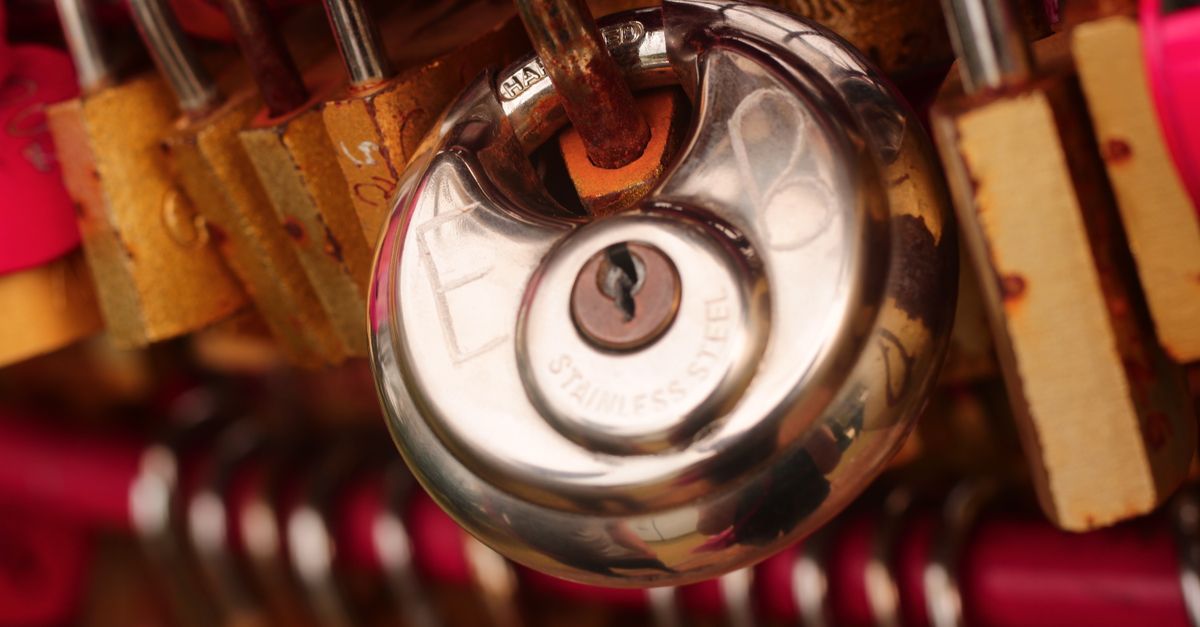
That sickening snap — the moment your house key breaks off inside the lock — can stop your whole day cold. Whether you're heading out to run errands on US-35 or coming home after a long shift, a broken key leaves you stuck and unsure whether to dig around in the lock yourself or just call for help. The good news: there are smart, safe steps you can take right now that protect both your lock and your wallet.
This guide walks Jeffersonville homeowners through exactly what to do if locked out of house because a key snapped, which quick DIY checks are actually worth trying, and — critically — when attempting your own extraction will make an already frustrating situation far more expensive. Because sometimes the safest move is also the fastest one.
## Stop — Do These Three Things Before You Touch the Lock
The instinct to grab a bobby pin, a butter knife, or whatever is nearby and dig the broken piece out is completely understandable. Resist it. Pushing a broken key fragment deeper into the cylinder, bending it sideways, or jamming the lock mechanism can turn a straightforward extraction into a full lock replacement. Before you do anything else: step back from the door, note how much of the key is still sticking out of the keyway, and don't insert anything into the lock yet. Even wiggling the key stub can cause it to rotate just enough to wedge against the lock pins, making extraction significantly harder.
Next, check the obvious alternatives. Is there an unlocked back door, a garage side door, or a window that a household member left unlatched? Do you have a spare key with a neighbor, a family member, or stored in a lockbox nearby? If you're a renter, your property manager may be reachable. These aren't signs of defeat — they're the same steps a trained locksmith will ask about when you call. If none of those options pan out, you'll know exactly what to tell us when you do reach out.
## When a DIY Extraction Attempt Actually Makes Sense
There is one scenario where trying to remove the broken key yourself is reasonable: when a solid portion of the key is protruding at least a quarter-inch outside the keyway and the lock is not engaged (meaning the door is already unlocked, or the bolt is in the open position). In that specific situation, a pair of needle-nose pliers — applied with a gentle, straight outward pull — may retrieve the piece cleanly without any risk to the lock pins. If it doesn't come out on the first gentle attempt, stop. Forcing it risks rotating the fragment, scoring the cylinder walls, or embedding the piece so deeply that even a locksmith will need to replace the cylinder rather than simply extract the key.
For door knob lock styles common in older Jeffersonville homes — particularly the passage and entry knobs found on many 1970s-era ranch-style houses throughout Fayette County — the keyway is narrow and the pins sit close to the entry point. These locks leave almost no working room for improvised tools. Attempting extraction with anything wider than a proper key extractor pick almost always results in a jammed cylinder. When in doubt, preserve the lock and call a professional instead.
## Mortise Lock or Deadbolt? The Lock Type Changes Everything
Not all broken-key situations are equal, and the type of lock on your door is one of the biggest factors. A mortise lock — the rectangular lock body set into the door edge itself, common on older homes, historic properties, and many commercial storefronts around Jeffersonville — operates very differently from a standard deadbolt or door knob lock. Mortise lock cylinders are often under continuous spring tension, which means a broken key fragment can spin or bind in a way that makes amateur extraction genuinely risky. The internal mechanism is also more complex, and forcing a broken piece through it incorrectly can damage the cam, the tailpiece, or the lock body itself — parts that are not always easy to source for older mortise hardware.
If your home has a mortise lock and your key has snapped inside it, this is one of the clearest cases where calling an emergency locksmith before attempting anything yourself will save you money. Our team works with mortise lock systems regularly, including cylinder extraction and re-keying, so we can recover the broken piece without sacrificing the lock body. For anyone on a historic property near the Jeffersonville town square or in an older farmhouse along Fayette County's rural routes, preserving original mortise hardware matters — and experienced hands make that possible.
If you're not sure what kind of lock you have, look at the door edge when it's open. A mortise lock will show a large rectangular faceplate recessed into the door. A standard deadbolt or knob lock will show a smaller, circular or oval strike. That distinction guides everything that follows — including the quote you'll receive before any work begins.
## What to Do When Locked Out of House: When to Call an Emergency Locksmith
Knowing what to do when locked out of house because of a broken key really comes down to a single honest question: how much is already visible and loose? If the fragment is flush with or below the face of the lock, if you've already tried a gentle extraction and it didn't work, or if you can feel the piece moving in unexpected directions when you probe lightly with a fingernail — call a professional immediately. A trained locksmith carries the right extractor tools, lubricants, and cylinder knowledge to remove the broken piece with precision, often in just a few minutes, without damaging the lock.
There are also situations where the damage is already done before you even pick up the phone — a key that broke because the lock was already stiff, corroded, or misaligned. In those cases, extraction alone won't solve the underlying problem. Our technicians will assess the full condition of the lock on-site and walk you through the options: extraction and re-key, cylinder replacement, or a full lock change if the mechanism is compromised. What you won't experience is pressure to do more than necessary. The goal is to get your door working properly and securely — and to confirm an exact up-front price before a single tool comes out of the bag. Factors that affect the final quote include the lock type (mortise lock, deadbolt, door knob lock, smart lock), the complexity of the extraction, the time of day, and travel distance to your location.
## After the Key Is Out: Re-Key, Change the Lock, or Just Cut a New Key?
Once the broken fragment is out and your door is open, you have a decision to make. If the lock is in good shape and the break happened because the key was worn or the spare was old, a simple replacement key cut from the original lock profile may be all you need. Our mobile unit can handle this on-site. If the cylinder shows wear, the key broke because of internal corrosion, or you simply want a fresh start on your home security — re-keying is a cost-effective option that renders all existing keys useless and gives you new ones without replacing the entire hardware.
Sometimes, though, the right move is to change the lock entirely. That's especially true if the lock is outdated, if you've moved into a home and don't know how many copies of the original key exist, or if the broken-key extraction process revealed internal damage. Upgrading to a quality deadbolt or a new mortise lock cylinder can also be a smart opportunity to improve your home's overall security. Our team carries a range of residential and commercial locksmith hardware and can discuss options that suit your door type, budget, and security goals — all explained clearly before any work is authorized. For renters in the Jeffersonville area, we can also coordinate directly with property managers when needed.
If this situation has you thinking about prevention going forward, a few habits make a real difference: never force a stiff key, replace any key that shows visible bends or worn edges, and have a spare kept somewhere accessible — with a trusted neighbor or in a small lockbox mounted to a discreet exterior location. A stiff lock is a warning sign; a skilled locksmith can diagnose and lubricate or adjust a binding cylinder before it ever reaches the breaking point.
Frequently asked questions
What should I do if I get locked out of my house because my key broke and I can't see any of it sticking out?+
If the key fragment is fully recessed inside the cylinder, this is not a situation for DIY tools. Probing blindly with a thin object risks pushing the piece deeper, rotating it against the lock pins, or scratching the cylinder walls in a way that complicates extraction. The safest step is to call a professional locksmith immediately. Our team carries key extractor tools sized for most residential lock profiles — including narrow door knob lock keyways and mortise lock cylinders — and can typically recover a flush-broken fragment without damaging the lock. We're available 24 hours a day, so don't wait until morning if it happens tonight.
Can a locksmith fix a mortise lock after a key breaks in it, or does the whole lock have to be replaced?+
In the majority of cases, a trained locksmith can extract the broken key from a mortise lock cylinder without replacing the entire lock body. Mortise locks are more complex than standard deadbolts — the cylinder is held under spring tension and connects to internal levers — but they are also designed to allow cylinder removal by a skilled technician. After extraction, the cylinder can often be re-keyed and reinstalled in the same mortise body. Replacement of the full mortise lock assembly is only necessary if the internal mechanism was already damaged before the key broke, or if the extraction process revealed significant wear. We assess the full condition on-site and walk you through every option with an exact price confirmed before any work begins.
How much does it cost to get a broken key removed from a lock?+
There's no single flat answer because the final price depends on several real factors: the type of lock (mortise lock, standard deadbolt, door knob lock, or a smart lock cylinder), how deeply the fragment is lodged and whether the cylinder needs to be removed to access it, the time of day the call comes in, and the travel distance to your location. What we do commit to is confirming an exact up-front price before any work starts — no surprises on the invoice. Call us at (740) 754-0038 and we can give you a clear quote based on the specifics of your situation.
If my key broke because the lock felt stiff, should I change the lock after the key is extracted?+
Not necessarily — but a stiff lock absolutely needs attention beyond just removing the broken key. Stiffness is usually caused by one of three things: internal corrosion or dirt buildup in the cylinder, a misaligned door or strike plate putting lateral stress on the lock, or worn internal components. A locksmith can diagnose which issue is causing the binding and often resolve it with cleaning, lubrication, or a minor adjustment. If the cylinder shows significant wear or corrosion damage, replacing just the cylinder — rather than the full lock — is frequently the most practical and economical path. We'll walk you through the options and let you decide. In any case, operating a stiff lock with any key — new or old — risks a repeat break, so getting it properly assessed is worth the call.